When to seek urgent medical help
Seek emergency medical help for persistent squeezing chest pain, pain spreading to an arm or jaw, or severe breathing difficulty. Contact your local emergency service. Do not assume these symptoms are panic, even if you have had attacks before.
Unfamiliar symptoms need assessment. If this is your first episode or it feels different, seek medical advice. Sources: NHS: chest pain and NHS: shortness of breath.
What a panic attack can feel like
A panic attack is a sudden episode of intense fear or discomfort with physical symptoms. It may appear without a clear trigger. A single attack does not automatically mean panic disorder.
- A pounding heart, sweating or trembling.
- Breathlessness, chest discomfort or nausea.
- Dizziness, weakness, tingling or numbness.
- Fear of losing control, dying or feeling disconnected from your body.
Symptoms overlap with other conditions. A checklist cannot confirm a diagnosis. NIMH explains the distinction between an attack and panic disorder.

Why attacks may happen and recur
There is no single explanation for every person. Research considers biological processes, family susceptibility, stress and environmental factors. A panic attack is not evidence that you are weak or responsible for being unwell.
One possible pattern is a fear cycle: a bodily sensation is interpreted as a threat, which increases fear and draws more attention to the sensation. This is an explanation to discuss with a professional, not a self-diagnosis.
The NIMH overview describes this pattern and the role of several contributing factors.
What to do during a familiar episode
If a healthcare professional has assessed similar episodes and the sensations are familiar, use the plan you agreed with them. First check the warning signs above.
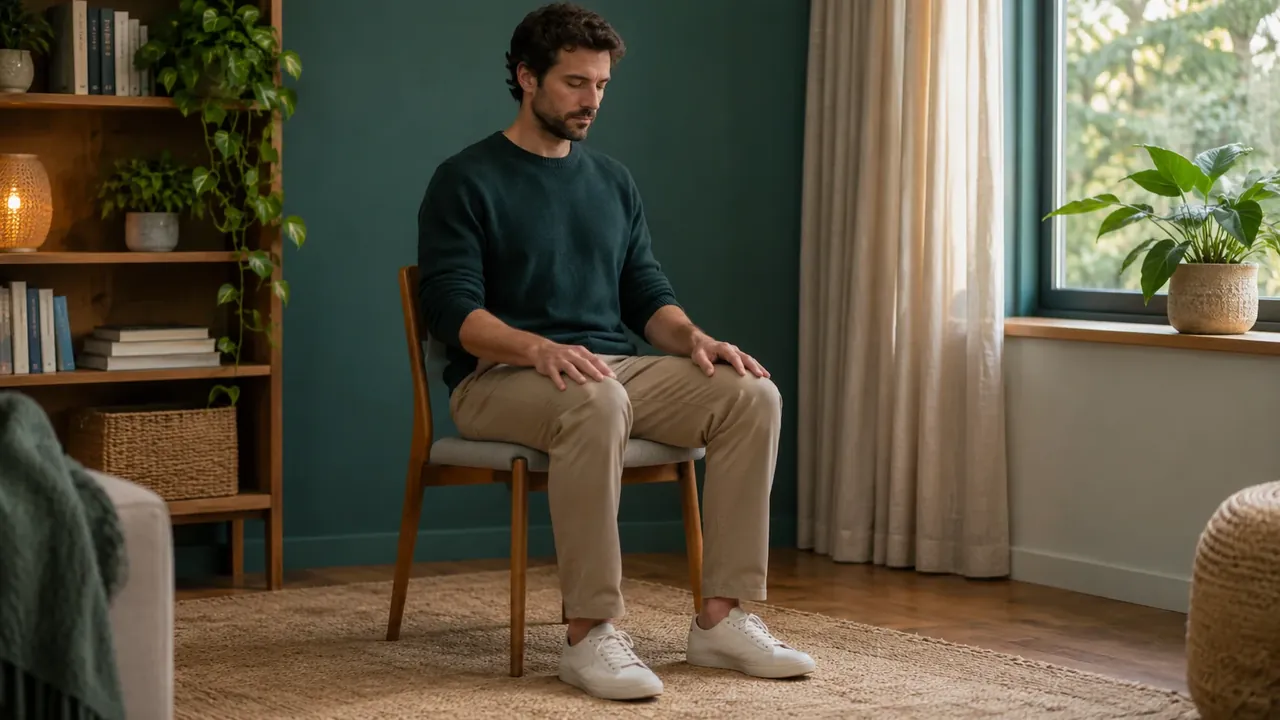
- If possible, pause in a safe place. If you are driving, stop safely.
- Let your breathing become gentle and regular, without forcing a deep breath. A comfortable, steady count may help.
- Remind yourself that a familiar panic episode can settle. You do not have to solve every problem at that moment.
- Tell someone nearby what would help: “Please stay with me and speak calmly.”
These steps support coping; they do not establish the cause or replace assessment. See NHS guidance on panic disorder and gentle breathing exercises.
Where to get help if attacks recur
Arrange an appointment if attacks recur, you worry about the next one, or you begin avoiding travel, work or meeting people. A primary care doctor can assess physical symptoms and help identify the appropriate mental health professional.
Panic disorder can be treated. Options include psychotherapy, such as cognitive behavioural therapy (CBT), medication or a combination chosen with a clinician. CBT helps people change how they respond to sensations and fearful thoughts. Do not start, stop or change prescribed medication based on an article or testimonial.
Treatment is individual; a course of wellbeing practices cannot promise the same outcome. NIMH: assessment and treatment.
What to prepare for an appointment
A short note helps you describe the event without trying to decide the diagnosis. You do not need to identify the cause before asking for help.
| Topic | Useful details |
|---|---|
| The episode | When it began, how long it lasted and what you noticed first. |
| The context | Sleep, recent strain, caffeine, alcohol, medicines and relevant health history. |
| The impact | Activities you now avoid and worries between episodes. |
| Your questions | What else should be ruled out? Who can help? What should I do if it happens again? |

How to support someone nearby
- Ask what the person needs; keep your voice calm.
- If the symptoms are unfamiliar or severe, help them seek medical attention.
- Offer support in arranging an appointment. Avoid pressure to “pull yourself together”.
Everyday choices and the institute’s approach
Medical questions belong with a healthcare professional. Separately, you can reflect on recurring everyday situations, boundaries and the support available to you. These are different tasks.
Alexander Zharkov’s Nav–Yav–Prav framework is used at the institute to discuss past experience, present circumstances and future choices. It is an author’s framework, not a diagnostic test or an established explanation of panic attacks.
A practical question might be: “Which commitment can I reconsider, and who can help?” This does not mean that a family pattern or personal decision caused the episode.
Personal experience: what a testimonial can show
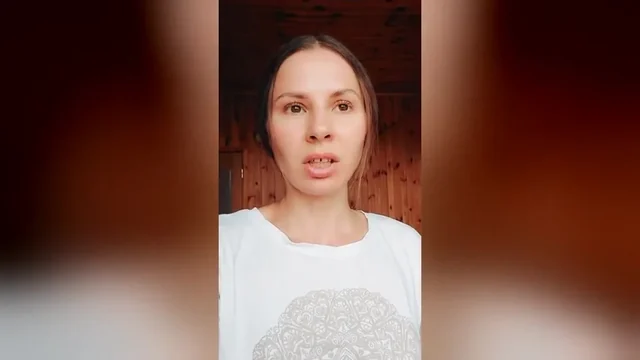
In her published account, Maria describes feeling calmer while continuing her everyday responsibilities after a 40-day programme. Her account is about her own experience; it does not establish that the programme treats panic attacks.
Sources and editorial responsibility
Prepared by the Institute of Slavic Zhiva editorial team. Health information was checked against the sources below on 5 November 2026. No independent medical review has been conducted. The institute’s framework and participant account are identified separately.
- NIMH · Panic disorder
- NHS · Panic disorder
- NHS · Breathing exercises
- NHS · Chest pain
- NHS · Shortness of breath
The three article illustrations show fictional people; the video testimonial has its own participant image.
Questions and answers
Can panic attacks happen during sleep?
Yes. Attacks can occur during sleep. Discuss waking with palpitations or breathing difficulty with a doctor: one symptom cannot establish the cause.
Should I wait for another attack before asking for help?
No. You can ask for help after the first episode, especially if the cause is unclear. Repeated attacks, fear of another episode and avoiding ordinary activities are further reasons to seek support.
Can one personal consultation stop panic attacks?
That outcome cannot be promised. Assessment and treatment belong with a qualified healthcare professional. The institute’s personal consultation explores a life situation and choices; it is not treatment for panic attacks.
A separate next step: explore a life situation
If you would like to explore a recurring life situation alongside appropriate healthcare, start with one concrete example. The personal consultation does not diagnose or treat panic attacks.
Individual text consultation with Alexander Zharkov · €30. Continuing a programme afterwards is optional.
How the personal consultation works