Conversations leave you drained
Someone else’s mood stays with you. You want to respond more calmly and notice your own needs.
An online programme based on Alexander Zharkov’s method: six stages of individual practice and support, exploring reactions, habits and personal boundaries.
Describe one question. We’ll agree the start date and communication format.
Explore the six stages ↓Start with one question. See which example is closest to your situation.
Someone else’s mood stays with you. You want to respond more calmly and notice your own needs.
You keep giving way, taking responsibility for everyone or returning to the same conflict. You want to reconsider your part in it.
After supporting others, it is hard to switch off. You want personal boundaries and time for yourself.
You notice a recurring way of making decisions. You want to separate personal reactions from business tasks.
40 days online, based on Alexander Zharkov’s method: independent practice through six stages, with support.
From attention to your body and feelings to thoughts, relationships and your next step. The topics and actions for each stage are below.
Try the current stage’s actions, notice your responses and choose what to change in your habitual behaviour.
Discuss your observations and next step. Agree who supports you, how often you communicate and which channel you use before payment.
Each stage has a focus. Open a stage to see the practical actions. Stage dates describe the route, not a promised deadline for change.
Adjust your daily rhythm and notice tension in your body. In grounding practices, bring attention back to your body and the support beneath your feet.
Name your feelings and explore situations in which resentment or anger returns. Look for a way to express them without harming yourself or others.
Notice recurring anxious thoughts and familiar beliefs. Separate observable facts from assumptions and choose what you want to reconsider.
Explore family rules and recurring situations in relationships. Define personal boundaries and identify support you can draw from your family’s experience.
Observe dreams, imagery and inner responses, and discuss them with your practitioner. Distinguish personal interpretations from the facts you use to make decisions.
Gather your observations from the previous stages and review them. Choose the practices you want to continue and one concrete step after the programme.
Maria on her own experience of the 40-day programme.
Maria reports that her everyday responsibilities stayed the same, while she began approaching problems more calmly. This is an editorial summary of her account, not a promised programme outcome.
Alexander Zharkov’s approach explores the link between experience, a response and the next choice. He calls this his principle of cause and effect.
Recall one conversation or family rule. How does it show up in a similar situation today?
Separate what is happening from what you fear. Name one action that is within your control.
Choose a skill or boundary you are willing to practise. Start with a manageable step.
“Glasses of Illusion” means familiar explanations of events. The practical task is to notice your interpretation and compare it with the facts.
Aura and Chakras are concepts from the spiritual tradition behind the programme, not medical measurements. Here, energetic sovereignty means noticing your state, maintaining boundaries and choosing your actions.
Choose useful practices, notice your responses and try clearer ways to make agreements. Assess changes through your own observations: the same outcome cannot be promised to everyone.
Activity figures are reported by the institute. Watch personal accounts in full, together with their participation context.

Author of the method. His biography includes his experience, documents and materials on personal practice.
The figures and their sourcesBiography and materialsThese awards do not establish medical qualifications or programme outcomes.
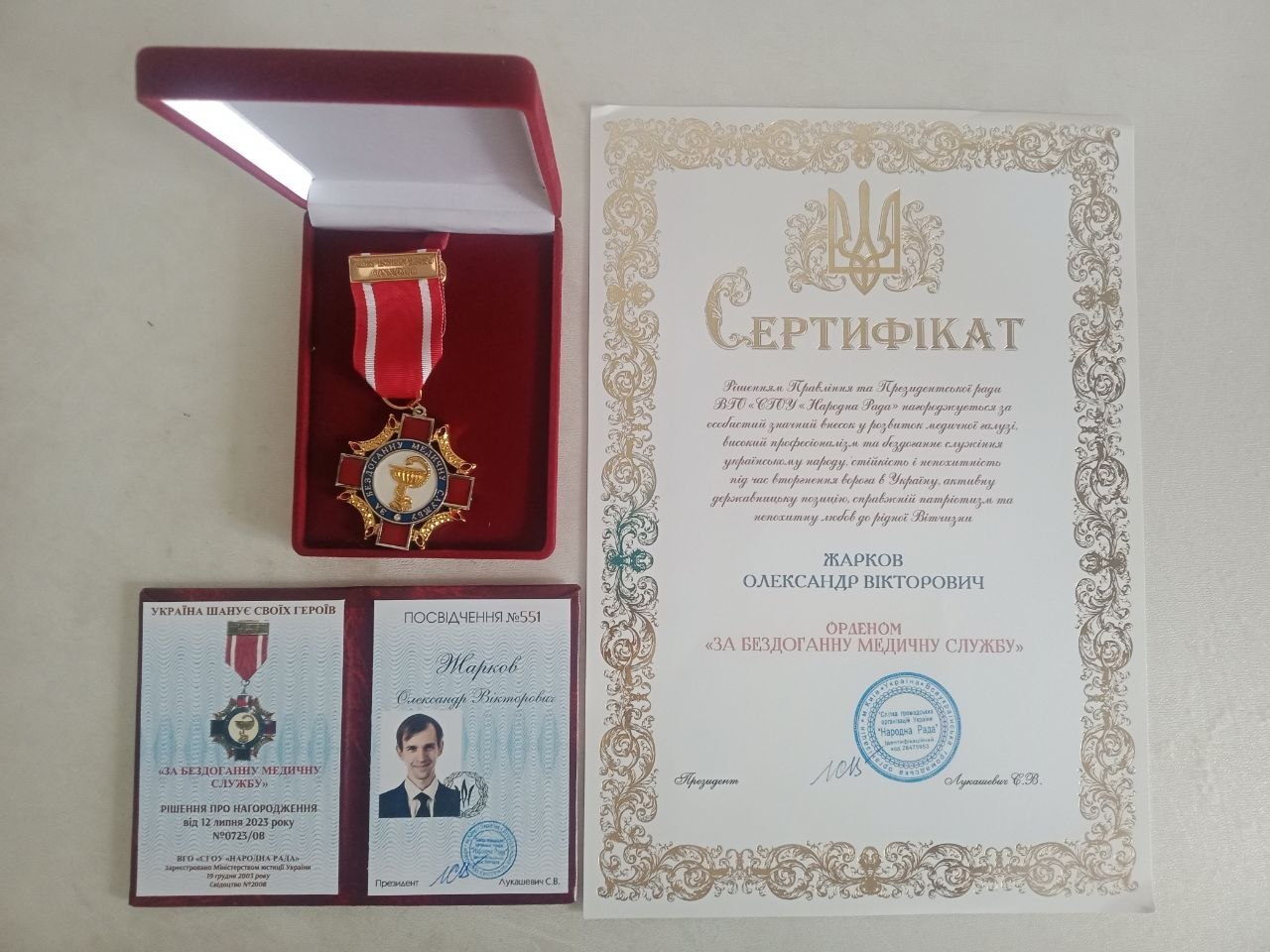
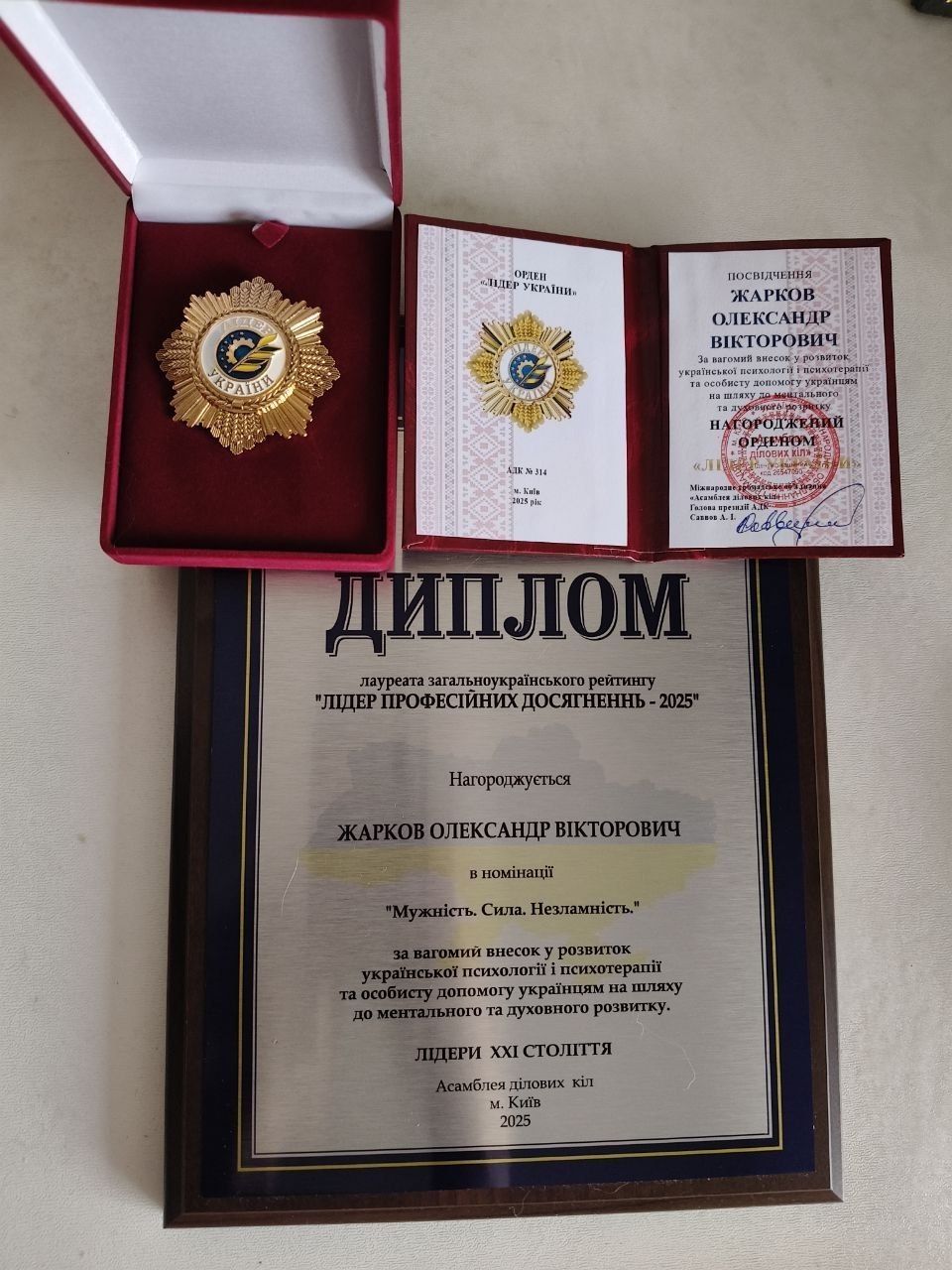
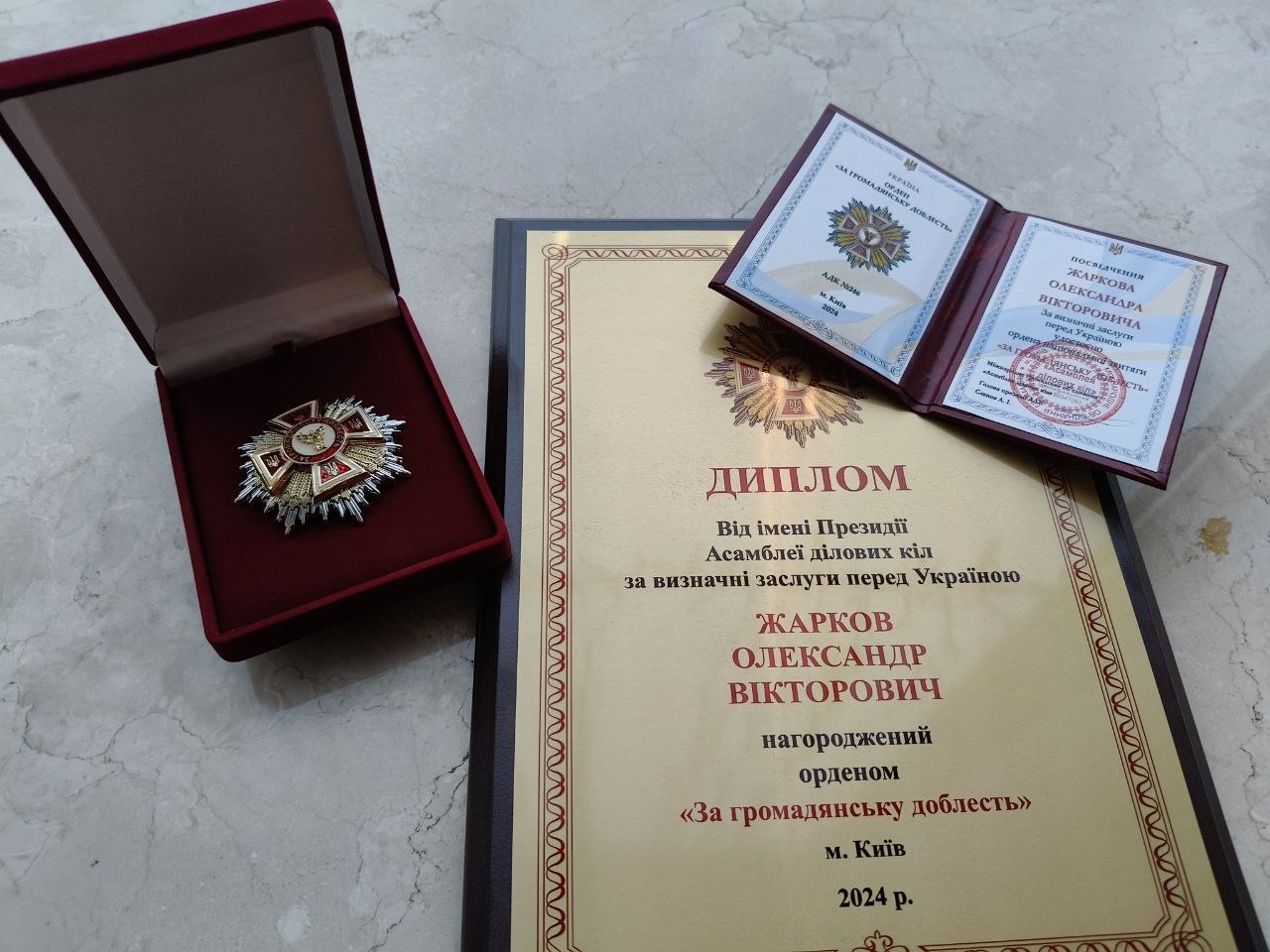
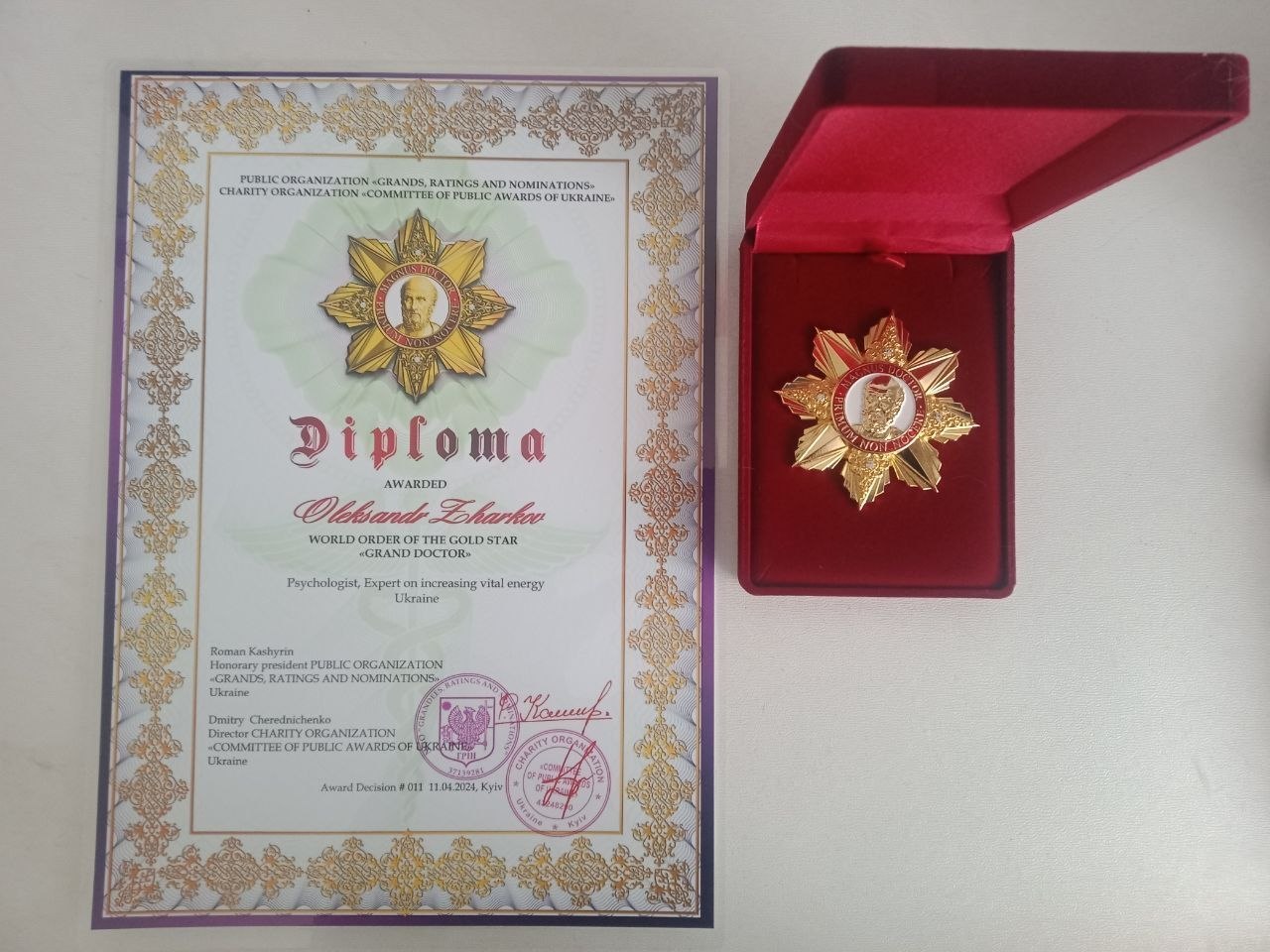
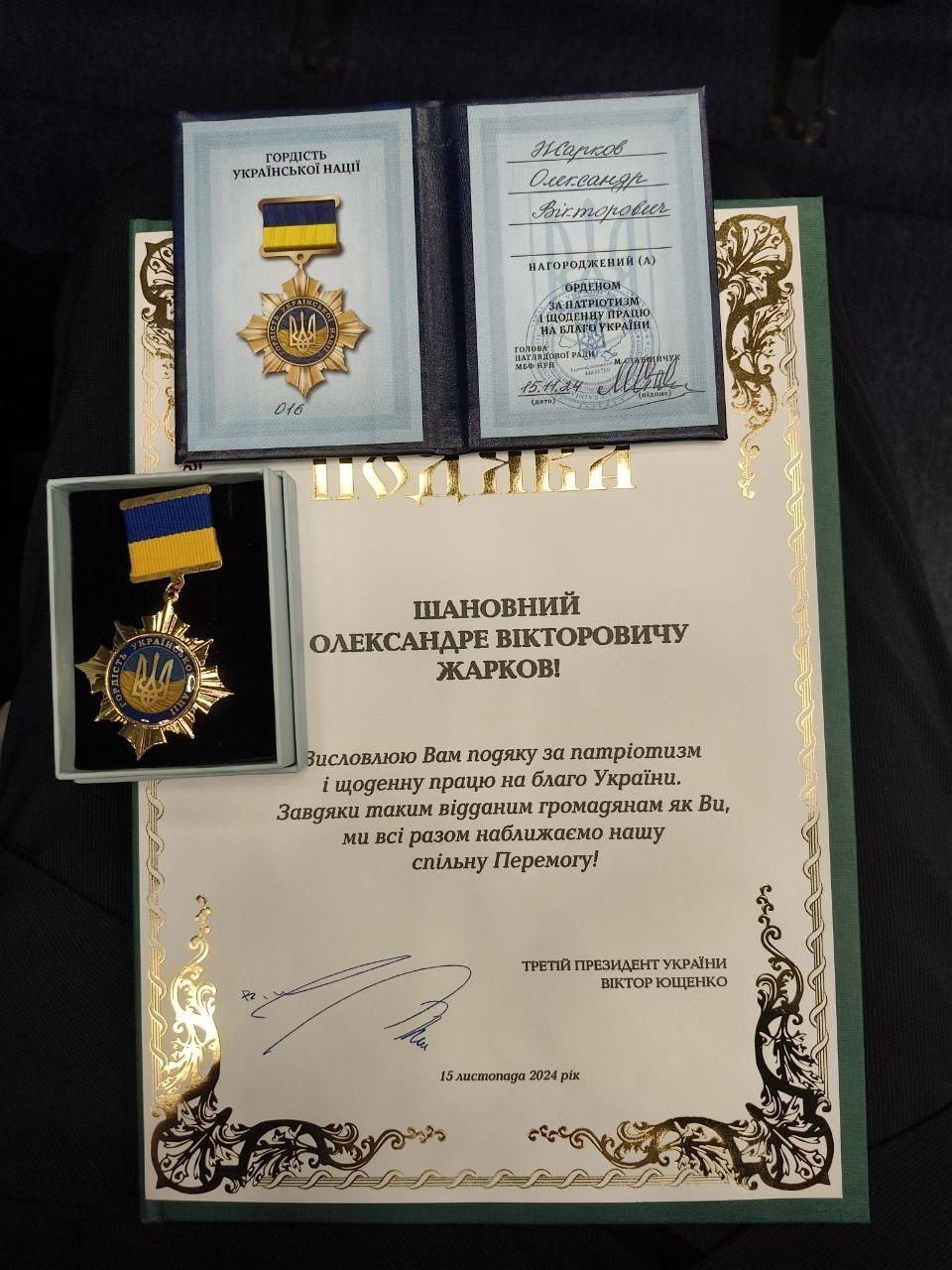
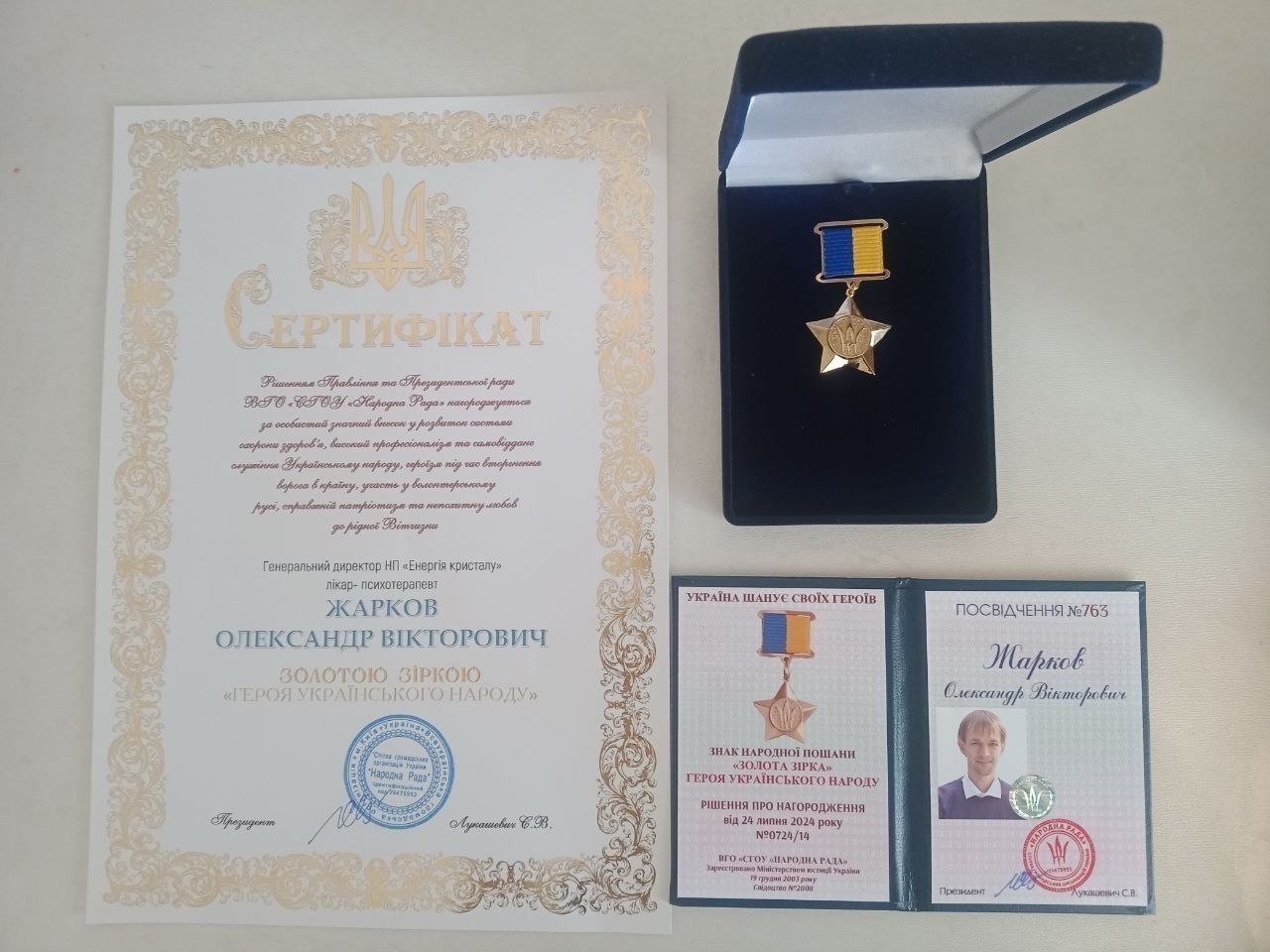
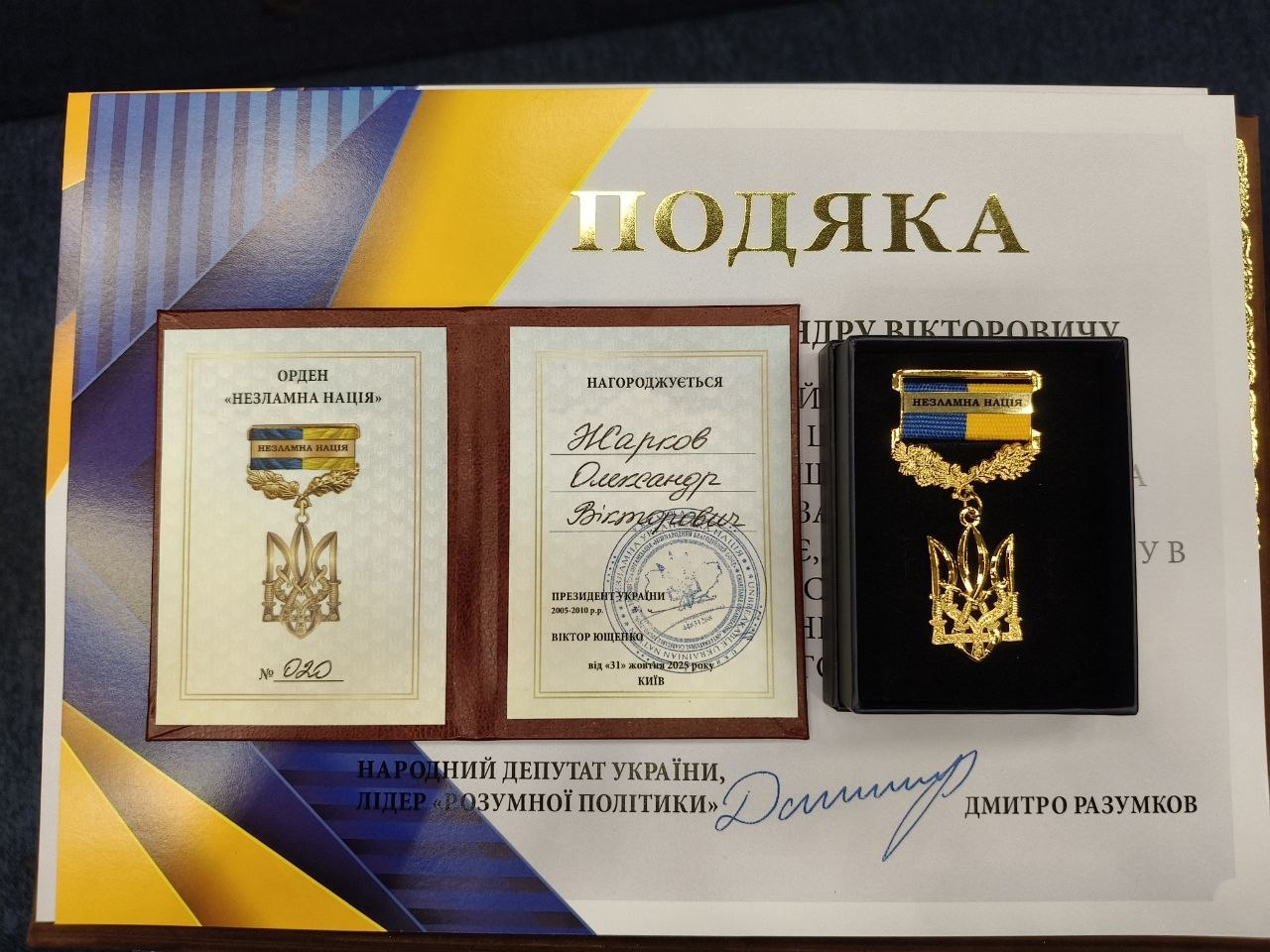
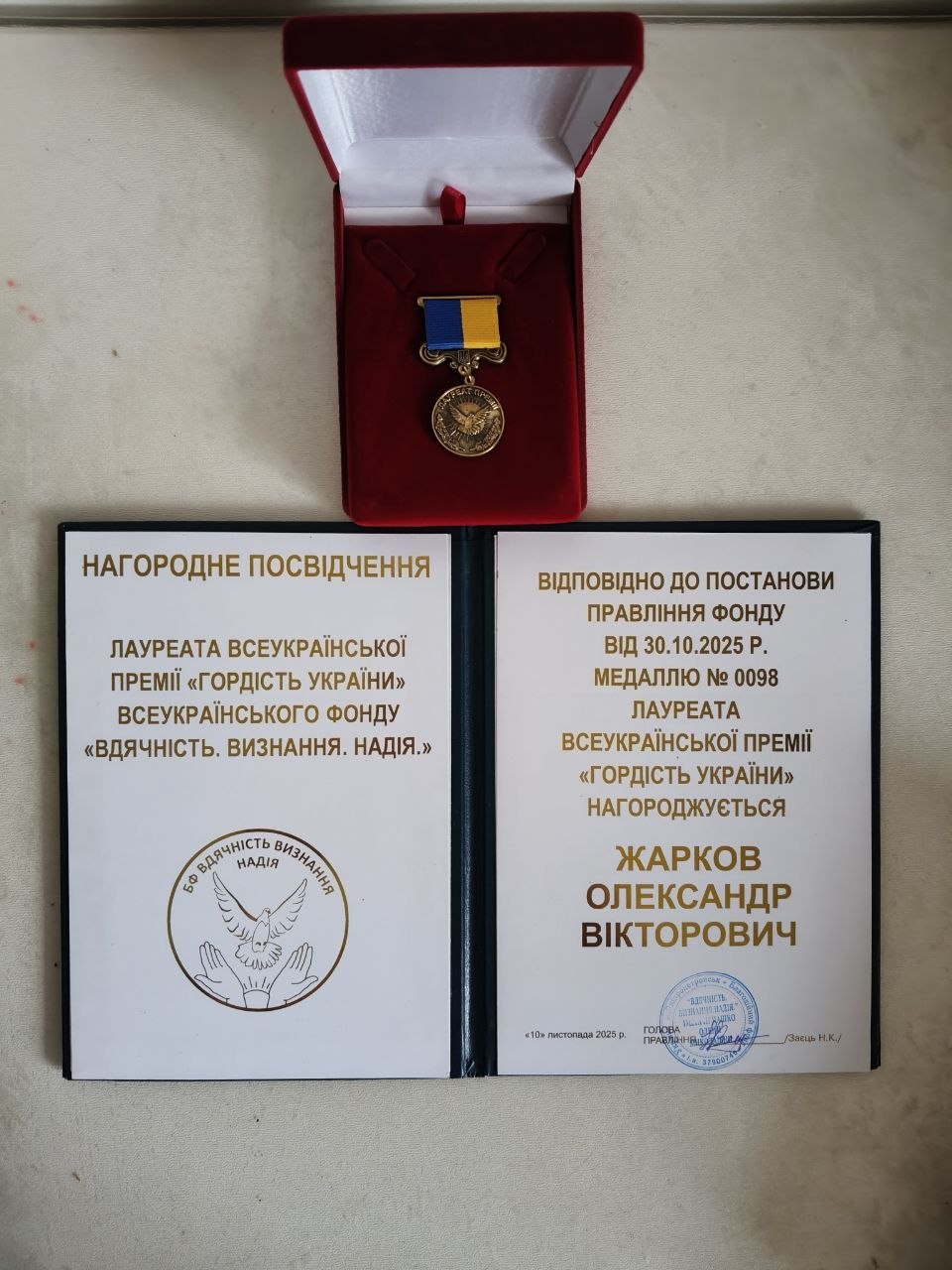
Watch participants describe their experience of the programme. Each video links to the full story and transcript.
Yaroslava in her video testimonial about her experience of the 40-day programme.
Describes changes in her mornings, mood and desire to create.
Full story and transcriptMaria in her video account of the 40-day programme and her separate experience of the Bukvitsa game.
Describes feeling calmer within. Her separate experience of the Bukvitsa game is identified in the full account.
Full story and transcriptKaterina, wearing a black jacket, records her video review of the 40-day programme inside a car.
Shares her observations of balance, clearer thoughts and changes in sleep.
Full story and transcriptThese accounts describe individual experiences and do not guarantee the same outcome. Their participation terms may have differed from the current programme.
All 17 video stories40 days of individual work through six stages, with support from your guide. The practitioner’s name, communication channel and starting arrangements are agreed before payment.
Alexander Zharkov is the author of the method. Agree who will guide your programme and how the support works before paying.
You can message the institute to discuss your question and participation. If you prefer to explore one situation first, a standalone €30 text consultation is available; joining a longer programme is optional.
No. This is spiritual practice and support, not a medical examination or treatment. Consult a qualified clinician about health concerns.
Payment arrangements are discussed before the programme starts. Ask whether instalments are available; they are not promised in advance.
If you cannot make time to practise now, discuss the workload first or start with a standalone consultation. The programme does not guarantee health, relationship or income outcomes. Seek medical care from a qualified clinician.
Describe what you want to change and why you are considering the 40-day programme. Before paying, agree your practitioner, start date, communication and participation terms.
The buttons open a conversation. Payment follows agreement on the terms. Ask about instalments in advance.
Start with one text consultation · €30Spiritual practice is not a medical service and does not replace treatment.