When do you need urgent help?
Call local emergency services immediately for sudden crushing chest pain, pain spreading to the arm or jaw, severe difficulty breathing or sudden trouble speaking. A first or noticeably different episode needs medical assessment, even if symptoms have passed.
What can a panic attack feel like in men?
You step outside, sit down and notice your heart pounding. When it eases, you want to put the phone away and get on with the day. At an appointment, it helps to describe what happened before you had a chance to call it fear.
- Your heart suddenly races, or you start shaking or sweating.
- It becomes hard to breathe, you feel dizzy or your fingers tingle.
- You want to leave, find somewhere to steady yourself or call someone.

Yav in the institute’s framework is what you can observe now: sensations, surroundings and any change in your actions. These signs occur across genders and cannot establish a cause on their own.
Why can episodes go unnoticed?
You might put a racing heart down to coffee, exertion or lack of sleep. If you are used to handling things alone, it is easy to put off talking and start avoiding trips, meetings or places where it happened before.
Like a sensitive alarm, the strength of the response tells you little about what set it off. A sensation can trigger fear, fear increases tension, and repeatedly checking your pulse or changing your route may keep the cycle going.
| What I tell myself | What I can do |
|---|---|
| “It passed, so I’ll forget about it.” | Note what started first, how long it lasted and how you felt afterwards. |
| “I’ll figure it out myself first.” | If it happens again, arrange a medical appointment. You can start by describing what you felt. |
| “I’ll just go another way.” | Note the routes or activities you have started avoiding and mention them at the appointment. |
At the appointment you might say, “My heart suddenly raced during a meeting. Now I often cancel meetings where it is hard to step out.”
How can keeping things to yourself shape your choices?
Nav in Alexander Zharkov’s approach means past experience and learned rules. The institute uses the image of a breach in your boundaries to describe absorbing someone else’s urgency and missing your own need for a pause. It is a metaphor for discussing boundaries.
- What happened beforehand: a conversation, a journey, exertion or an ordinary day with no clear trigger?
- What was hard to ask for: “Stay with me,” “I need a break,” or “Can we talk later”?
- Which rule got in the way: “I have to handle it alone,” or “As long as I can work, it is too early to ask for help”?

What can you do during a familiar episode?
During a familiar episode, follow the plan agreed with your clinician. In a safe place, you can try this short practice of noticing physical support.
- Sit down if comfortable. Place both feet on the floor and notice the seat supporting your weight.
- Rest your hands on your thighs. Breathe at a comfortable pace without forcing it.
- Look at one nearby object and name its colour.
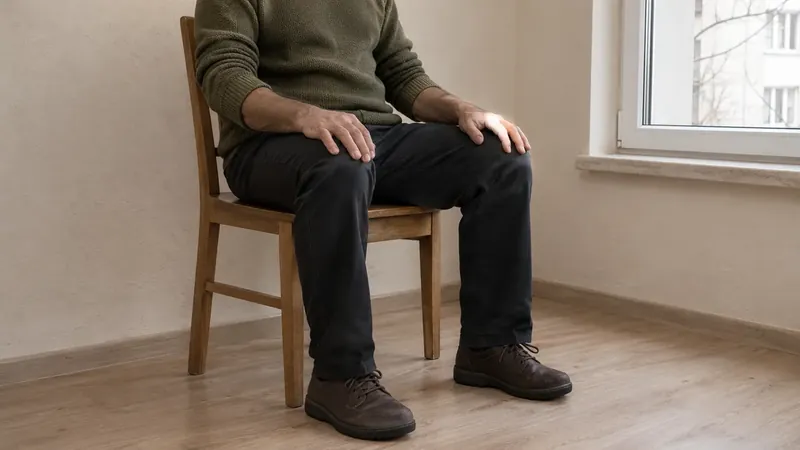
Stop if the practice increases discomfort. For more steps, see the guide for a familiar panic attack.
How can you rebuild support in daily life?
Prav in the institute’s framework is the direction of your next decisions. The institute calls the ability to recognise your limits and choose when to pause or ask for help energetic sovereignty.
- Write down where one situation happened, how long it lasted, what you noticed first and what you began putting off afterwards.
- Tell someone close to you, “If I go quiet and step out, give me a minute and ask if I need help.”
- If episodes recur or restrict your life, make time to speak with a doctor.
The institute’s 40-day programme has six stages exploring attention to the body, emotions, thoughts and familiar patterns.
How can healthcare and work with Zhiva fit together?
| Format | What it addresses |
|---|---|
| Healthcare | Assessment of symptoms and possible causes, treatment planning and follow-up. |
| The institute’s consultation | A conversation about one situation, learned rules and the next decision. |
Artem’s personal account
Artem Bezrukov recorded his testimonial at a rink, wearing a hockey helmet. He talks about meeting someone after his divorce and noticing positive changes in how he felt during the 40-day programme. He shares personal observations. The video does not discuss panic attacks.
Artem Bezrukov, wearing a hockey helmet, shares his experience of the 40-day programme.
Questions about symptoms and seeking help
Can I notice a racing heart before I feel frightened?
Yes, sometimes the physical sensations are the first thing you notice. For a first, changed or recurring episode, tell your doctor what came first and how long it lasted.
Can an episode wake me at night?
A panic attack can start during sleep. A first or unusual episode at night needs medical assessment, and the warning signs at the start of this guide require emergency help.
What can I tell a doctor if it has already passed?
Describe when it happened, how long it lasted, what you felt first and what was going on around you. Mention whether you have since started cancelling meetings or avoiding trips.
How does a consultation with Alexander Zharkov work?
You describe one life situation by text and explore a next step together. The consultation costs €30, and continuing a programme is optional.
Where can you start a personal consultation?
For Quantum Diagnostics, choose one recurring life situation. You might start by saying, “I agree straight away in difficult conversations, then stay tense for hours. I want to learn how to pause before answering.”
Alexander Zharkov leads the consultation by text. You explore past experience, current circumstances and one manageable next step.
Individual text consultation · €30. Continuing a programme is optional.
How the personal consultation works