When do you need urgent help?
Call local emergency services for sudden chest pain or pressure that does not go away, severe breathing difficulty, or palpitations with chest pain, breathlessness or feeling faint. If those symptoms have stopped, still seek urgent medical advice. Discuss a first unusual episode without these signs with a clinician.
What can change after 50?
Your heart started racing on the stairs. You stopped and felt better a few minutes later. Before getting back to your day, briefly note what you felt first and what was happening at the time.
- Your heart races, pounds or feels as though it skips beats.
- You feel hot, sweaty, shaky or dizzy.
- Afterwards, you may monitor your body, feel anxious about bedtime or start avoiding familiar activities.
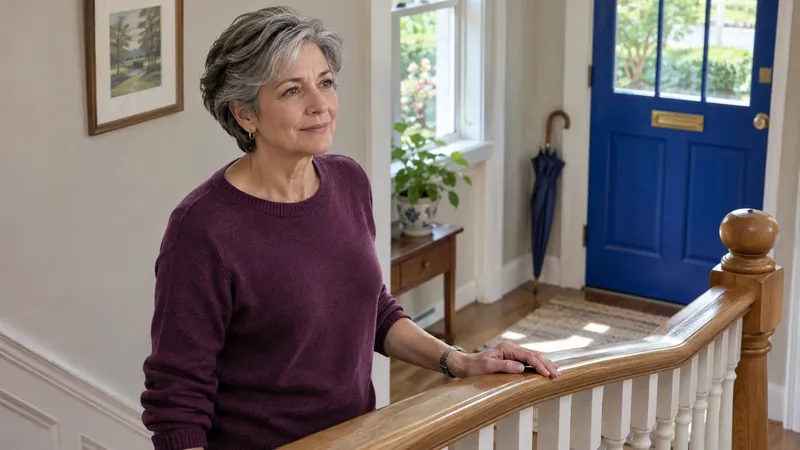
Yav in the institute’s framework means what is happening now: what you felt, the circumstances and how it changed your day. Tell your clinician whether it happened during sleep, at rest or during exertion.
How might hot flushes, sleep and palpitations overlap?
During the menopause transition, a hot flush may begin with warmth in your face, neck or chest, alongside sweating or a noticeable heartbeat. At night, these sensations can wake you. Note whether heat, palpitations, breathlessness or fear came first. That sequence helps you describe the episode for a clinician to assess.
What should you ask your clinician to check?
If it was your first episode, palpitations keep returning or they happen during exertion, start with your GP or primary care clinician. Mention new medicines or supplements, caffeine, sleep, hot flushes and any changes in your periods. If you use hormone therapy, bring its name and say when your regimen changed.
| What to discuss | Why it matters |
|---|---|
| Heart rhythm | An ECG or longer heart rhythm monitoring may help when irregular beats come and go. Your clinician decides whether testing is indicated. |
| Thyroid function and anaemia | Your clinician may consider a thyroid test or a full blood count based on your symptoms and examination. |
| Menopause symptoms | After 45, typical symptoms and your menstrual history are usually enough to identify the menopause transition. Hormone blood tests are usually unnecessary for this purpose. |
If attacks recur and fear of the next episode interferes with going out or sleeping, mention that at your appointment. Read more about which doctor to see and possible tests.
Why can the fear return?
In the evening you notice a thump, think “What if it happens again?”, tense up and check your pulse. A sensitive alarm makes you pay attention, but the sound alone cannot tell you what set it off. Write the episode down once so you can bring it to a clinician.
| What adds pressure | What you can do |
|---|---|
| “It’s just my age.” | Tell your clinician exactly what has changed and when. |
| “I need to get all my hormones tested.” | Start with your symptoms, sleep and hot flushes. Discuss appropriate tests at your appointment. |
| “I should push through and finish everything.” | Take a pause and ask for one specific kind of help. |
You can ask for help even if you do not know what to call the episode yet.
What can you notice in past experiences?
Nav in Alexander Zharkov’s framework means past experience and learned rules, including family patterns. A “breach in your boundaries” and “taking in other people’s chaos” are metaphors for how other people’s urgency can crowd out your needs. They can prompt a conversation about boundaries. A clinician assesses the cause of physical symptoms.
- What was happening beforehand, before you noticed the tension?
- What was hard to ask for: a pause, help or a change of plans?
- What familiar rule came to mind, such as “Everyone else comes first”?

What can you do during a familiar attack?
During a familiar attack, follow the plan agreed with your clinician. If you are somewhere safe, you can try a brief exercise in paying attention to your body, which the institute calls working with Zhiva.
- Sit on a steady bench or chair. Put both feet on the floor and feel the support beneath you.
- Rest your hands on your thighs and breathe at a comfortable pace, without forcing it.
- Look at one object nearby and silently name its colour.
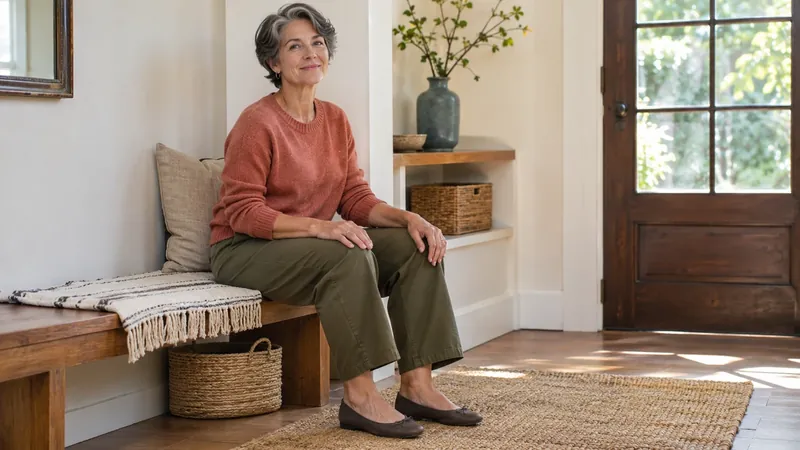
Stop if you feel worse or uncomfortable. Call for help if you notice warning signs.
How can you feel steadier in daily life?
Prav in the institute’s framework means the direction you choose next. Here, feeling steadier can start with manageable actions and a say in which responsibilities you take on.
- Make one short note about the episode: when it happened, how long it lasted, what you felt first and what you were doing.
- Choose one question for your appointment, such as “Could these palpitations be related to my heart rhythm?”
- Agree on one manageable change with someone close to you, such as who can take on a morning task after a difficult night.
The institute offers a separate 40-day programme for exploring habits and boundaries. Its six stages cover attention to the body, emotions, thoughts and family patterns.
How can healthcare and the Zhiva approach fit together?
| Support | What it covers |
|---|---|
| Healthcare | Causes of palpitations, assessment of hot flushes and sleep, and appropriate tests and care. |
| The institute’s consultation | One recurring conversation, learned rules and a manageable decision in daily life. |
Katerina’s personal account
Katerina recorded her testimonial inside a car. She remembers feeling rushed in daily life and says her thoughts became clearer and she noticed better sleep during the programme. She shares everyday observations without giving her age or discussing menopause or panic attacks.
Katerina, wearing a black jacket, records her video review of the 40-day programme inside a car.
Questions about panic attacks after 50
Can a first panic attack happen after 50?
Panic attacks can occur after 50. Seek medical assessment after a first episode, especially if you noticed unfamiliar physical symptoms.
What should I note if I wake with a racing heart?
Note the time, duration and what came first: heat, palpitations, breathlessness or fear. Call for help immediately if you notice emergency warning signs.
Do hot flushes after 50 require a hormone test?
When menopause symptoms are typical at this age, a clinician usually relies on symptoms and your menstrual history. If palpitations are new, any tests are chosen separately based on your symptoms and examination.
How do I talk to my clinician when I do not know the cause?
Describe one situation in your own words: when it began, what you felt and how it eased. Mention whether it happened during exertion or if episodes are becoming more frequent.
Where can you start a personal consultation?
If you want to talk separately about asking for a pause or sharing responsibilities at home, choose one situation. Quantum Diagnostics is a personal consultation about past experience, current circumstances and your next step, using Alexander Zharkov’s approach.
Individual text consultation · €30. Continuing with a programme is optional.
How the personal consultation works