When do you need urgent help?
Call local emergency services immediately if your teenager is struggling to breathe, has blue or grey lips, loses consciousness or does not respond. Severe chest pain also needs urgent assessment. If this is a first or unusual episode without those warning signs, contact a paediatrician or family doctor even if they feel better.
What can parents do during a familiar episode?
If a clinician has already assessed episodes like this, follow the plan you agreed with them. If you are somewhere safe, offer three simple steps.
- Stay nearby. Keep your words short and calm. Try “I’m here. You don’t have to explain anything right now.”
- Offer a seat. If comfortable, they can notice the chair and their feet on the floor. Let them breathe at a comfortable pace, without forcing it.
- Invite them to look around. They can name the colour of one object or just sit quietly with you. Let them choose.
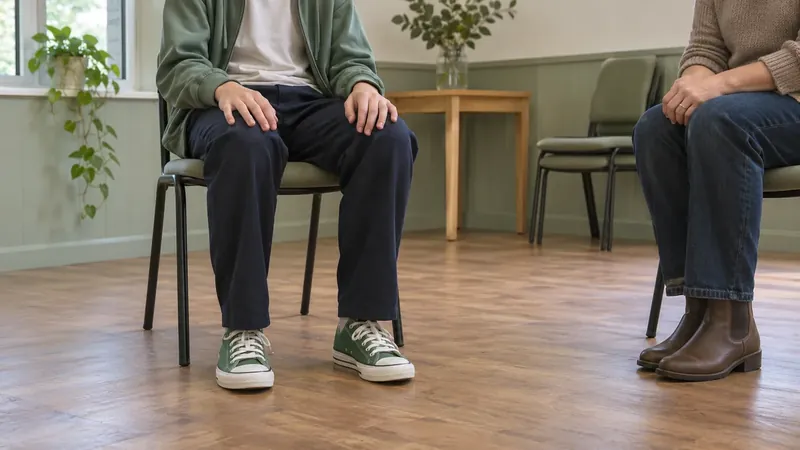
Stop the exercise if it makes them feel worse. If a warning sign from the urgent help section appears, call emergency services.
What can a panic attack look like in a teenager?
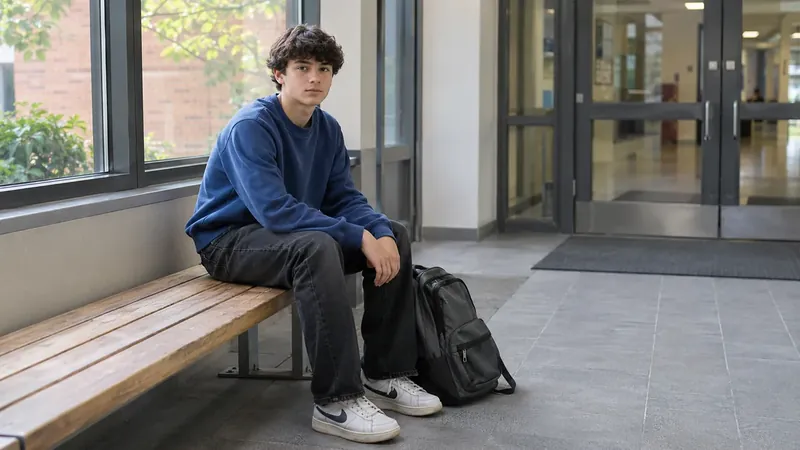
Sometimes a teenager just says “I feel awful” or asks to leave the classroom. Start with what you observed and what they say they felt.
- A suddenly racing heart, shaking or sweating.
- Breathlessness, dizziness or nausea.
- Sudden intense fear, an urge to leave or to call a trusted adult.
Yav in the institute’s framework means what is happening now and can be described. A symptom alone cannot tell you the cause. Afterwards, note when the episode started, how long it lasted and how your teenager felt later.
Why can the fear come back?
Like a sensitive alarm, the strength of a reaction tells you little about what triggered it. A racing heart can be frightening, and fear can make the body harder to ignore. Afterwards, a teenager may start avoiding the place where it happened.
| Familiar reaction | What you can say |
|---|---|
| “Calm down.” | “I’m here. Would you like me to just sit with you?” |
| “Why did you leave again?” | “When you’re ready, tell me what you noticed first.” |
| “You’re not going back tomorrow.” | “Let’s decide who at school can help you.” |
How can you talk after an episode?
Nav in the institute’s framework is past experience and learned rules. The image of a breach in one’s boundaries describes an adult’s experience of getting caught up in someone else’s anxiety and missing their need for a pause. It is a metaphor for talking about boundaries.
- What did you notice first?
- What did I do that helped, and what made things harder?
- How can I tell if you need a pause or help next time?

How can you plan support at home and at school?
Prav in the institute’s framework means choosing the next step. Make a short plan with your teenager so both they and the adults around them know what to do.
- Choose a signal together for asking for a break without having to explain in front of everyone.
- Agree on a trusted adult at school and somewhere quiet to sit with them. Discuss with your teenager what staff need to know.
- Take your notes to the appointment and ask how to support a return to usual activities if fear is affecting lessons or time with friends.
Who can help and with what?
If episodes recur or fear affects sleep, school or friendships, start with a paediatrician or family doctor. After assessing your teenager, they can advise whether a child and adolescent mental health specialist would help.
| What you need to discuss | Who can help |
|---|---|
| Your teenager’s symptoms, assessment and treatment. | A paediatrician or family doctor, and a specialist if needed. |
| How the adult can talk more calmly and agree boundaries at home. | A separate conversation for the parent, if they want support with communication. |
Questions parents ask
What if this is the first episode?
Check for emergency warning signs. If there are none and your teenager feels better, contact a paediatrician or family doctor and describe what happened.
Can an episode happen at night?
A panic attack can wake a teenager from sleep. Discuss a first or unusual episode with a doctor, and call emergency services for severe breathing difficulty or loss of consciousness.
What should I tell a teacher or school counsellor?
Share the signal you agreed with your teenager and identify the adult they can go to. Share what staff need to know for support and safety.
What if my teenager does not want to talk?
Tell them you can listen later and offer a choice of another trusted adult. If episodes recur or interfere with daily life, arrange a medical consultation.
When might a parent want a separate conversation?
If you want to explore how you responded in one family conversation, the institute offers Quantum Diagnostics for the adult. Alexander Zharkov discusses the situation with you by text and helps you choose a next step. Discuss your teenager’s symptoms with a paediatrician.
Individual text consultation · €30. Continuing a programme is optional.
How the adult consultation works